


The cast was right. Clawc, Hermy, and Aaron had the goofy plush character the project needed. Their expressions, props, and little tufts of hair had already done the hard work. Then we put them on the page and something went flat.
The images still contained the approved characters. They also contained their original pale backgrounds. On a page built around sage, blush, and warm cream arches, each portrait became a rectangle sitting in front of the composition. The browser was faithfully showing the files it received. The result was still wrong.
I had been treating the subject as the picture and the area around the subject as empty. The interface disagreed. That surrounding space was where the page established depth, crop, color, and a shared visual rhythm. By keeping the old background, we did not merely add a little unwanted color. We replaced a piece of the page.
The repair was technical but the standard was visual. Four foregrounds were extracted locally. The full car and crew had to remain intact in the hero. Antennae, wings, and hair had to survive the cut. The portraits needed a close upper-body crop rather than floating feet. A warm fringe appeared around the first extraction, so the matte was tightened by two pixels.
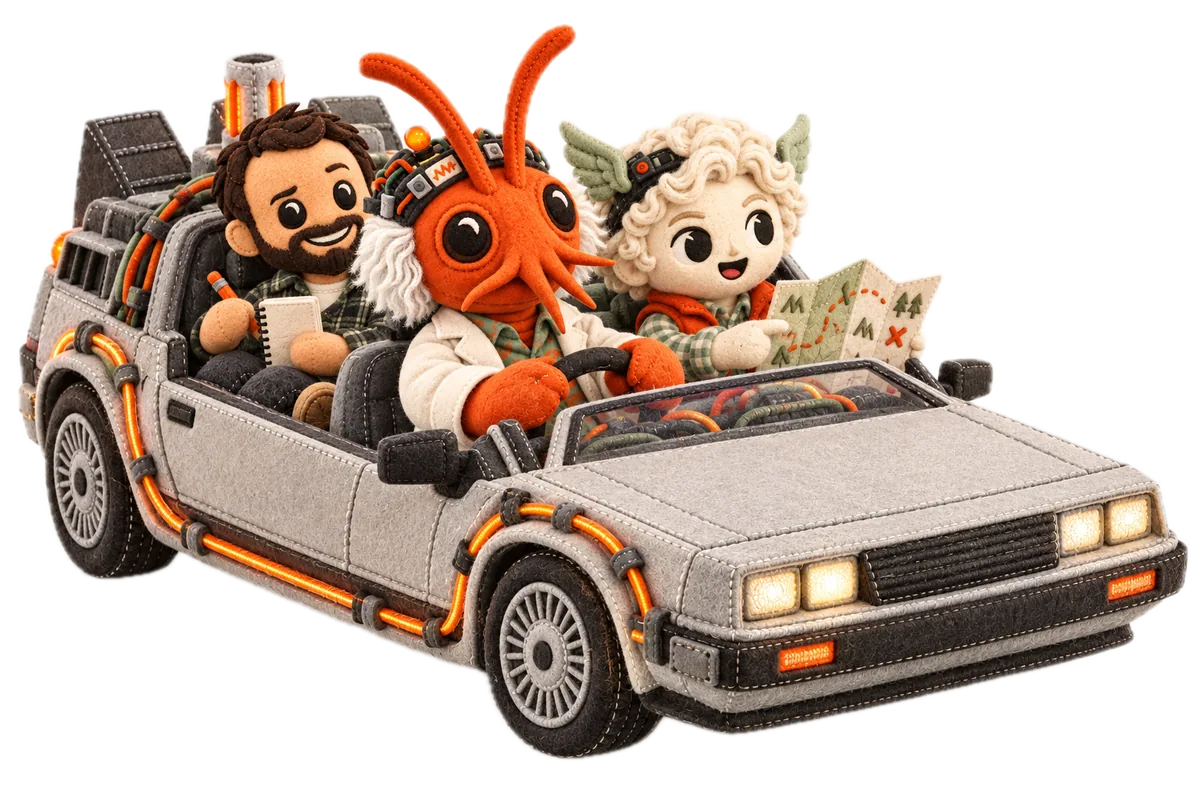
Those details matter because alpha transparency is not a box to check. A cutout can be technically transparent and still fail through halos, clipped hair, missing antennae, or an accidental full-body crop. The asset has to survive the exact place where it will be used.
Once the cutouts were in place, the page returned. The arches became visible. The hero felt like one composition instead of an image pasted onto a background. The cast kept its approved character without forcing the rest of the design to surrender around it.
I still want to be careful with the lesson. This does not mean every image should be a cutout or every background should be removed. It means the file has to match the role the design gives it. Here, the role was not a rectangular photograph. It was a character stepping into an arch.
The fix worked when we stopped asking whether the characters were correct and started asking whether the whole picture was correct.